

Collebrunacchi is one of the best restaurants I have ever eaten at. I do not say that lightly. We ate there twice on a short trip to Tuscany and then spent the rest of our time in Italy comparing every meal to it, which is not fair to other restaurants, but it is what happens when something really lands.
What makes Collebrunacchi special is not just how good the food is. It is the way it feels both deeply traditional and quietly modern at the same time. This is a real Tuscan kitchen built on stews, bread, slow cooking, and restraint, paired with a wine list you would expect to find in a serious natural wine bar in London, Paris, or New York. Most places do one or the other. This does both, without turning it into a concept.
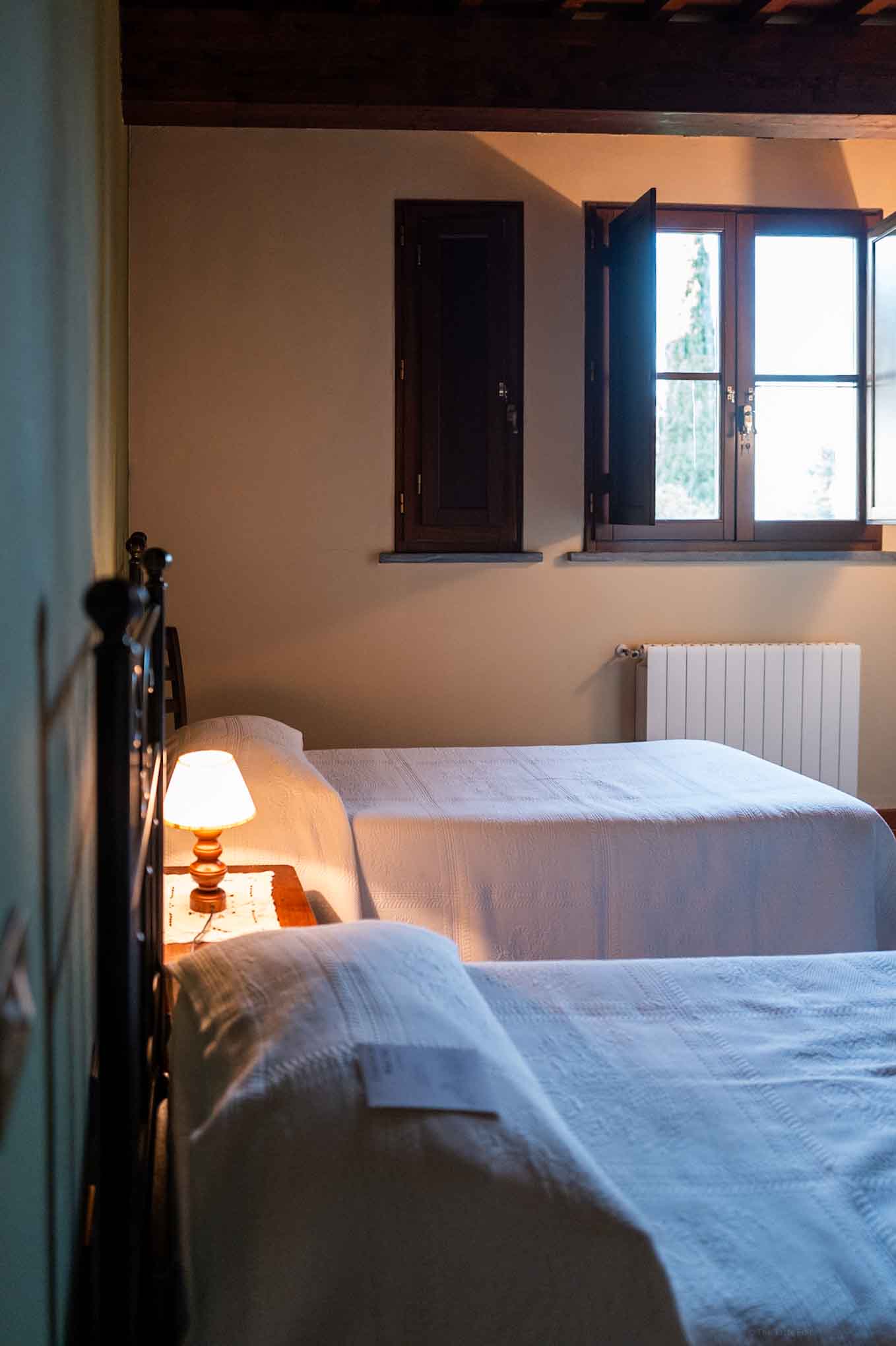
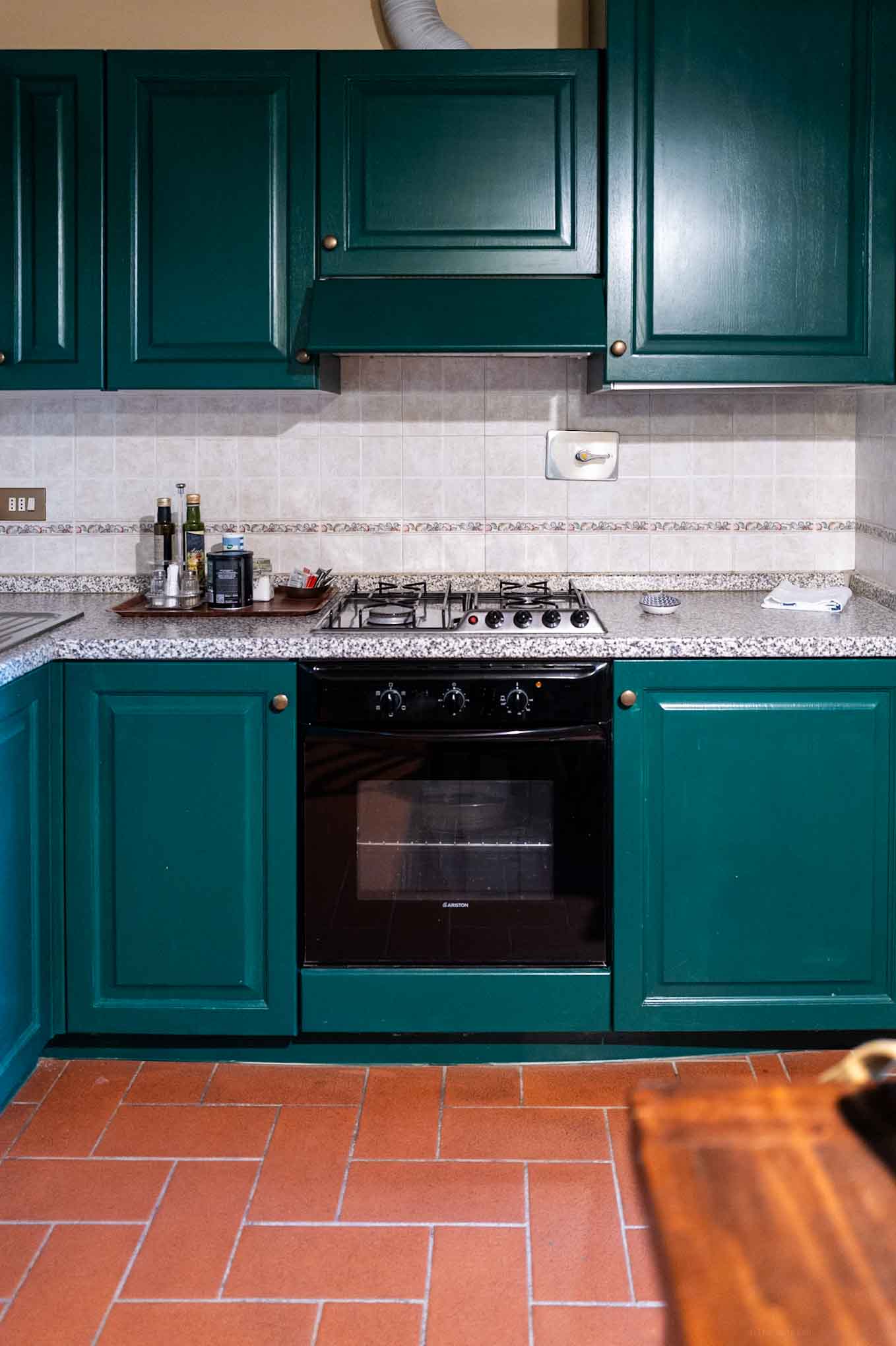
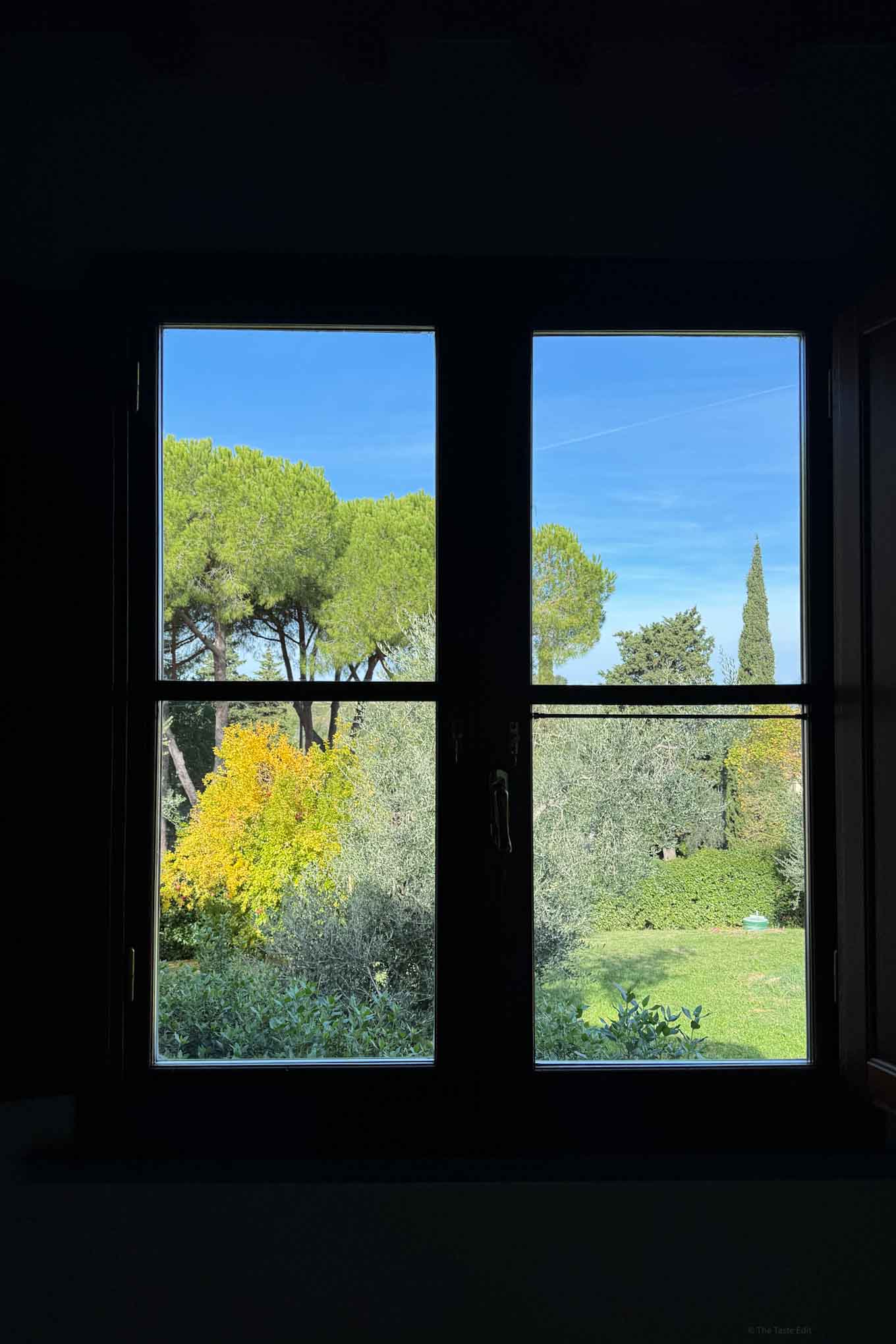
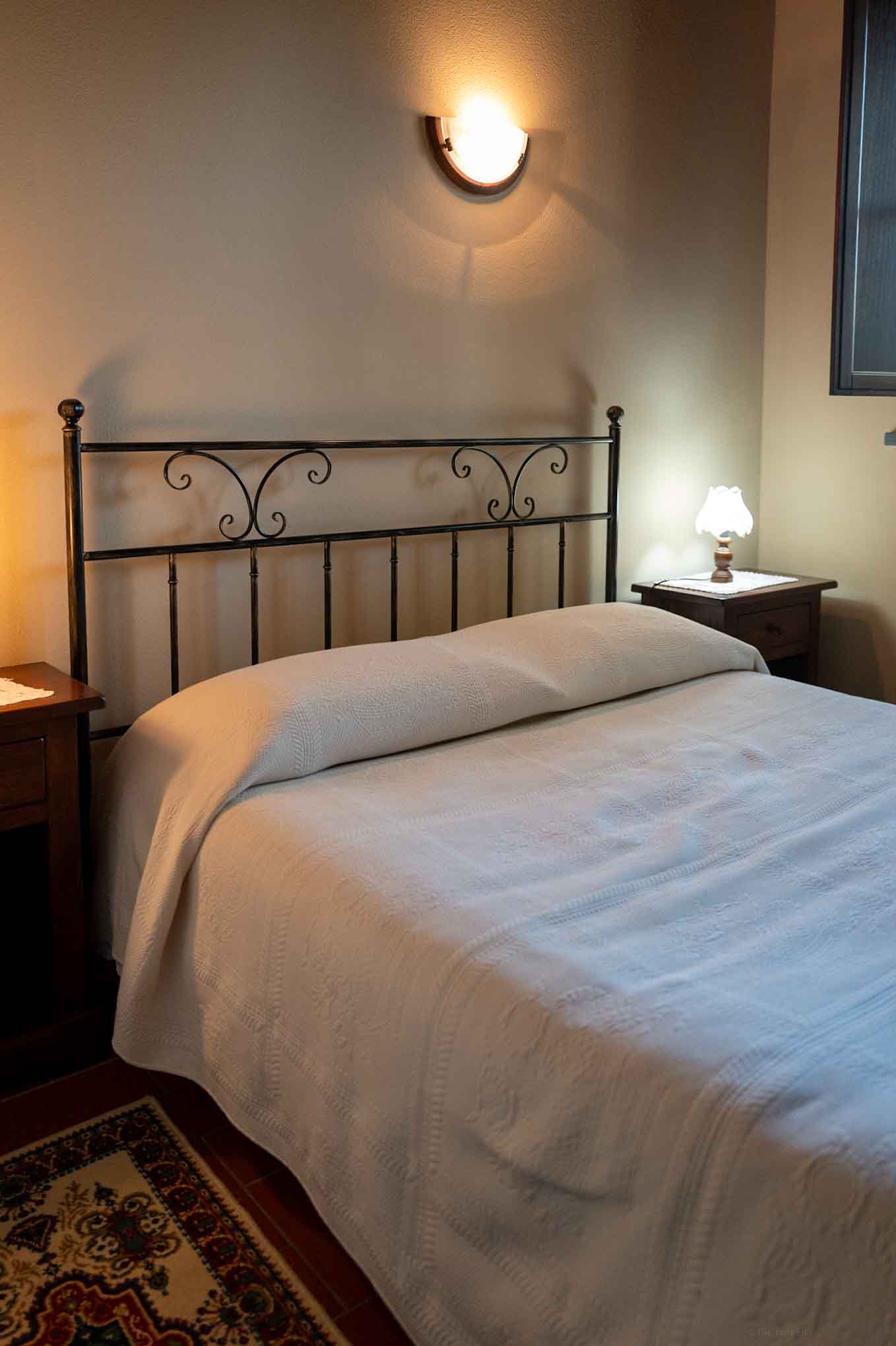
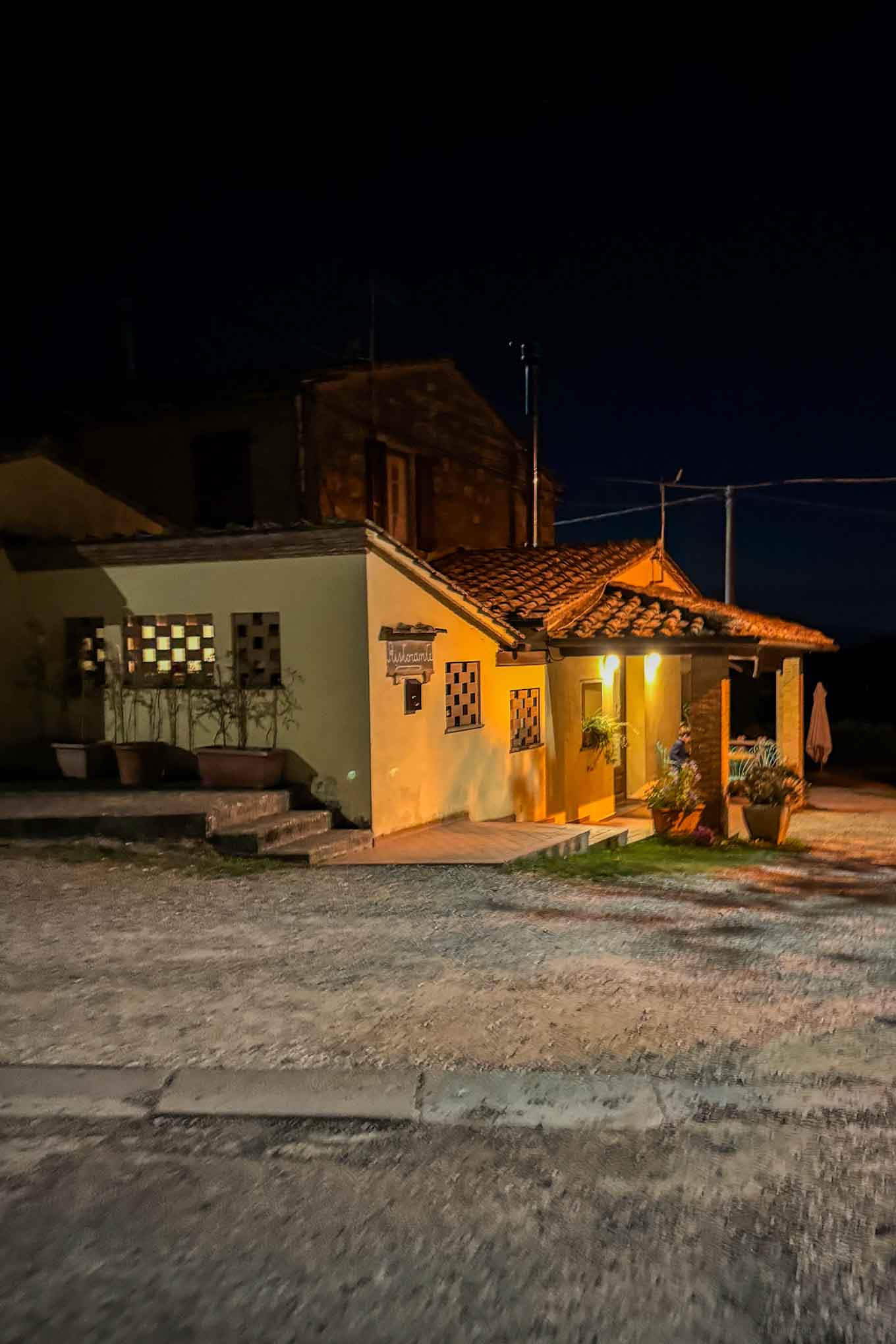
You do not stay in a hotel here. You stay in a simple, clean converted farm building next to the restaurant. We had a garden apartment that opened straight onto olive groves and a grassy lawn with chairs and giant rosemary bushes. In the morning you walk across the grass for breakfast. At night you walk back after dinner (maybe with a glass of wine in your hand). No driving. No planning. You are there to eat well and then do it again.
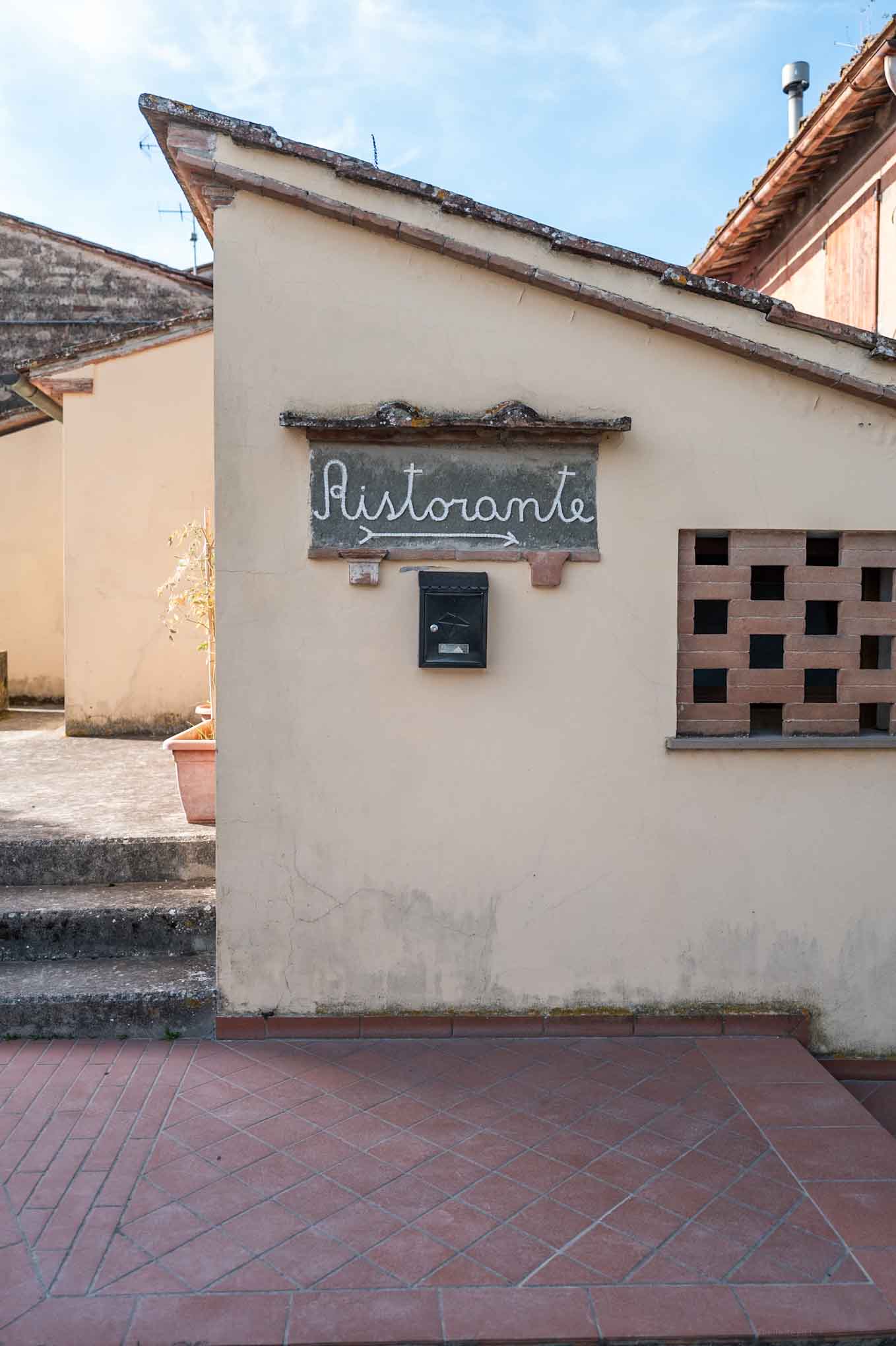
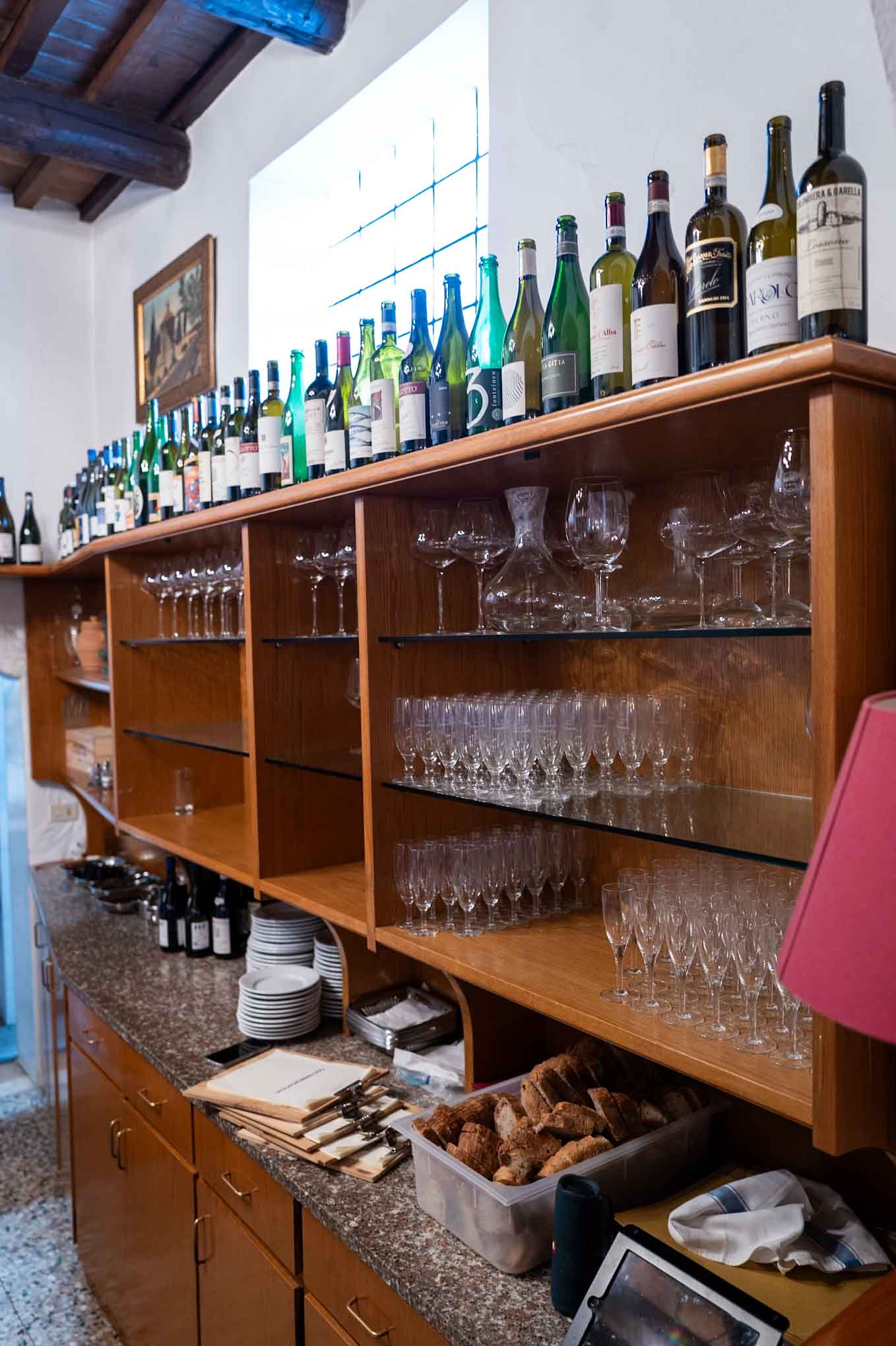
The dining room is built around a big fireplace, with tables set close together and a relaxed, lived-in feeling. After dinner, children end up on the floor with books, adults linger over wine, and the room takes on the rhythm of a real home rather than a place trying to perform. It is one of those spaces that makes you slow down without even noticing.
This is the version of Italy people hope to find when they book a trip. Simple rooms. A fire going. Serious food. Good wine. No performance. No trend chasing. Just tradition done well by people who care. Places like this exist in movies and memory, but very rarely in real life, which is why Collebrunacchi feels so rare when you finally find it.
This place has mattered to the area for decades. The previous family ran it from the late 1960s and kept the same menu for years. Locals still talk about it that way. The former owner still lives on the property. It was known for a boiled hen that we missed this time and now have a reason to come back for.
Today the kitchen is run by Francesco Cury and his wife Pauline. Francesco trained at Cibreo in Florence, helped write Fabio Picchi’s cookbooks, and later opened Racines in Brussels, one of the most respected Italian restaurants in Belgium. He moves through the dining room taking orders, explaining dishes, and recommending wine. You are not being served so much as quietly taken care of.
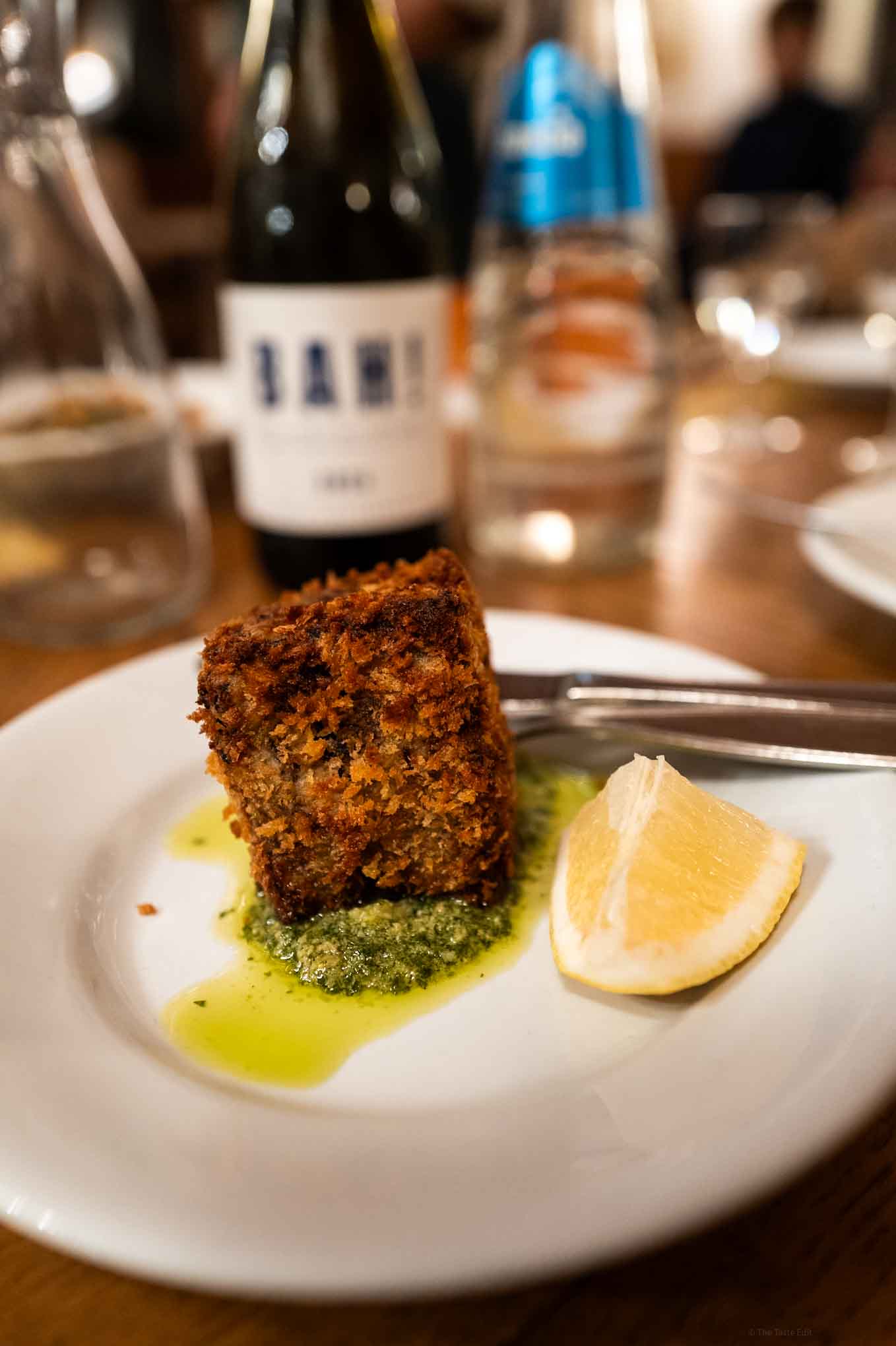
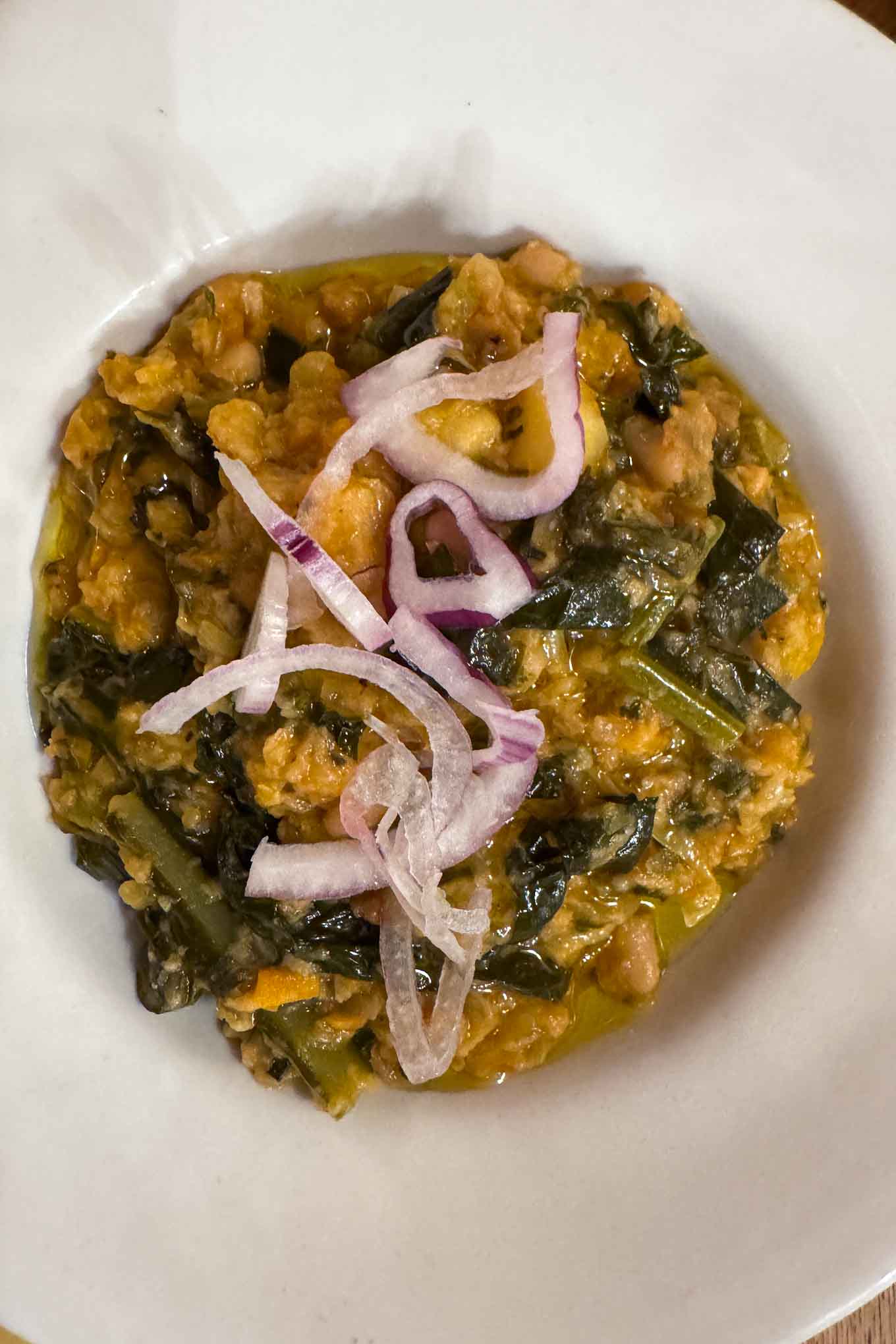
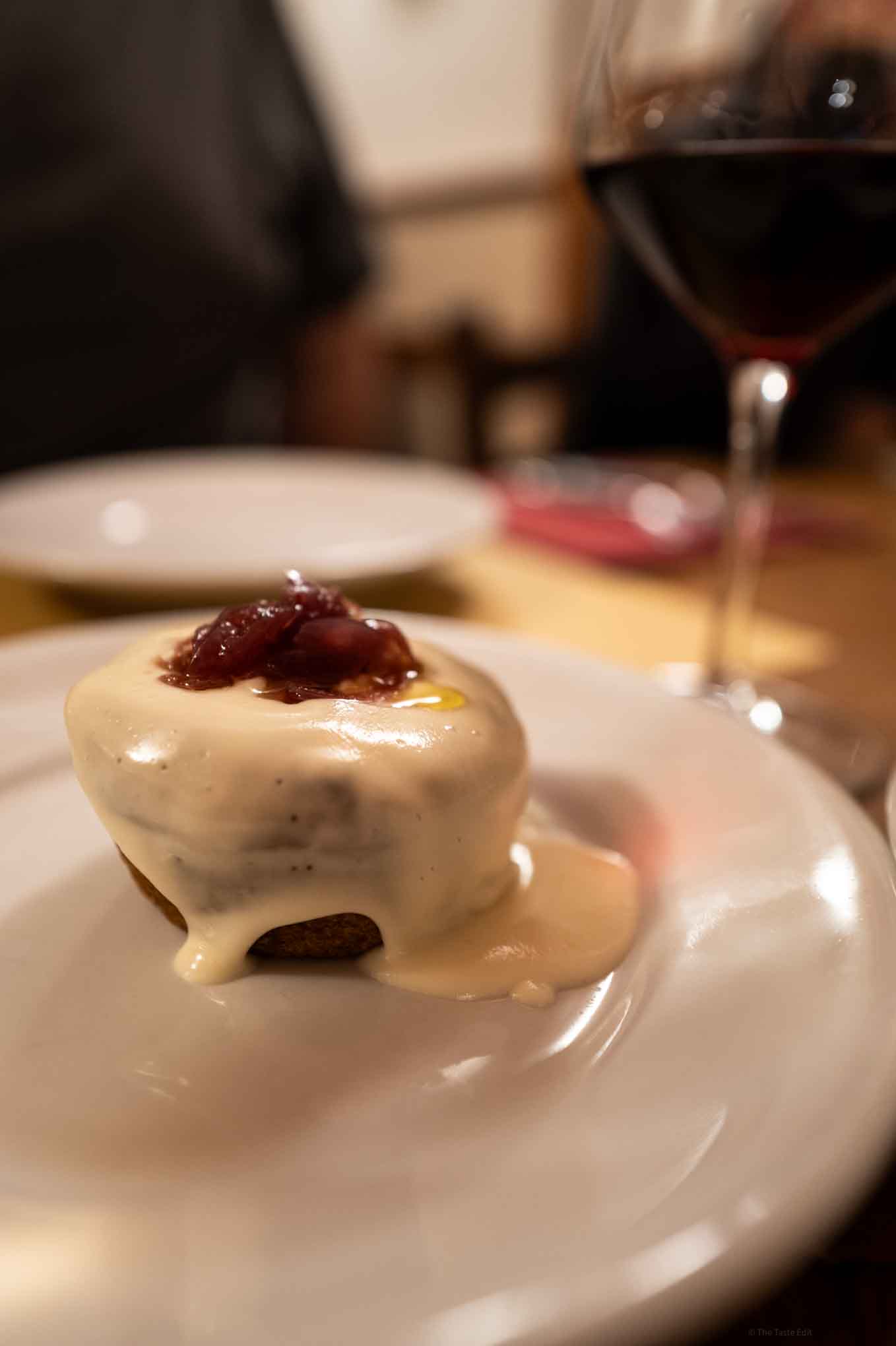
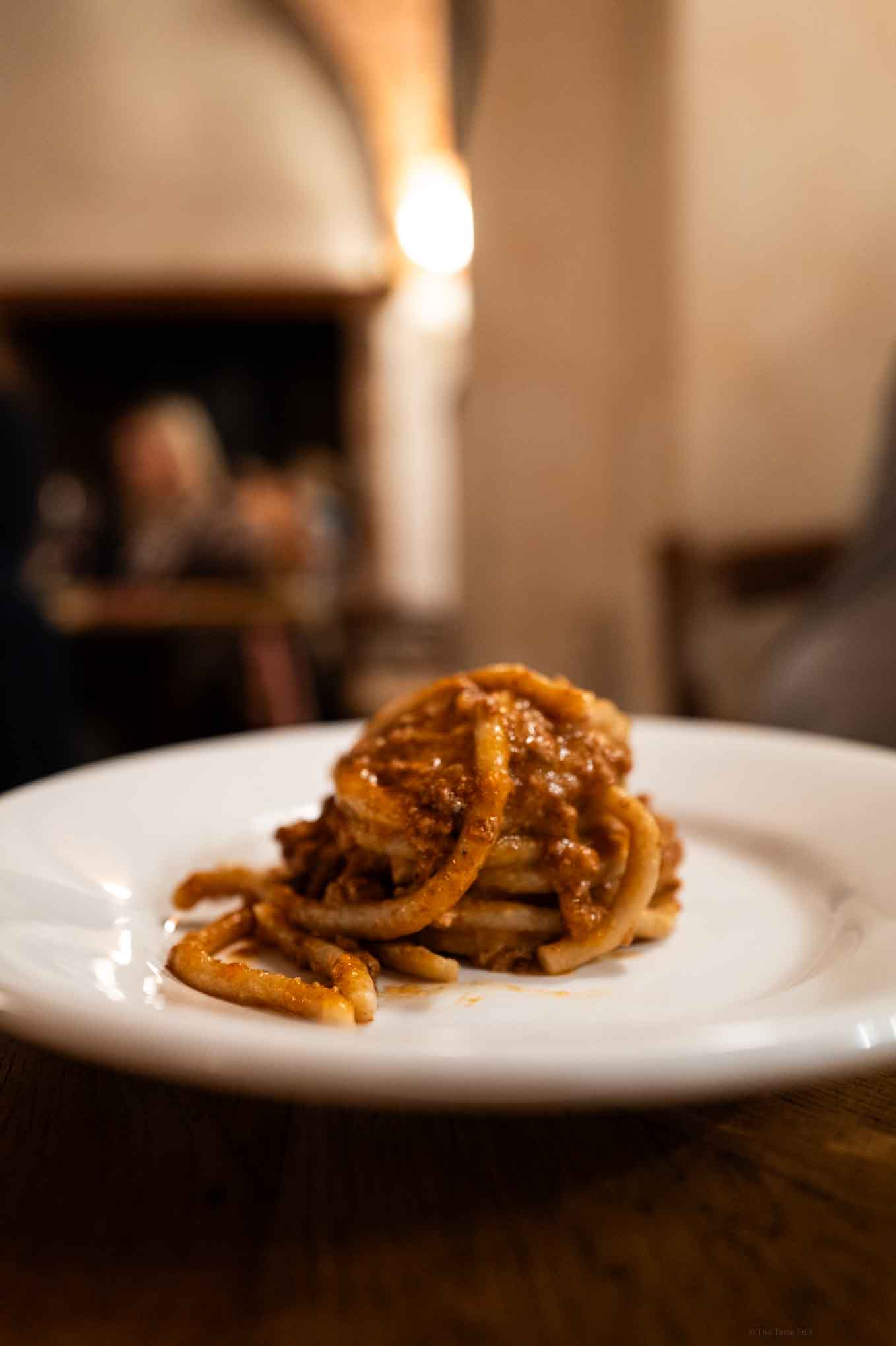
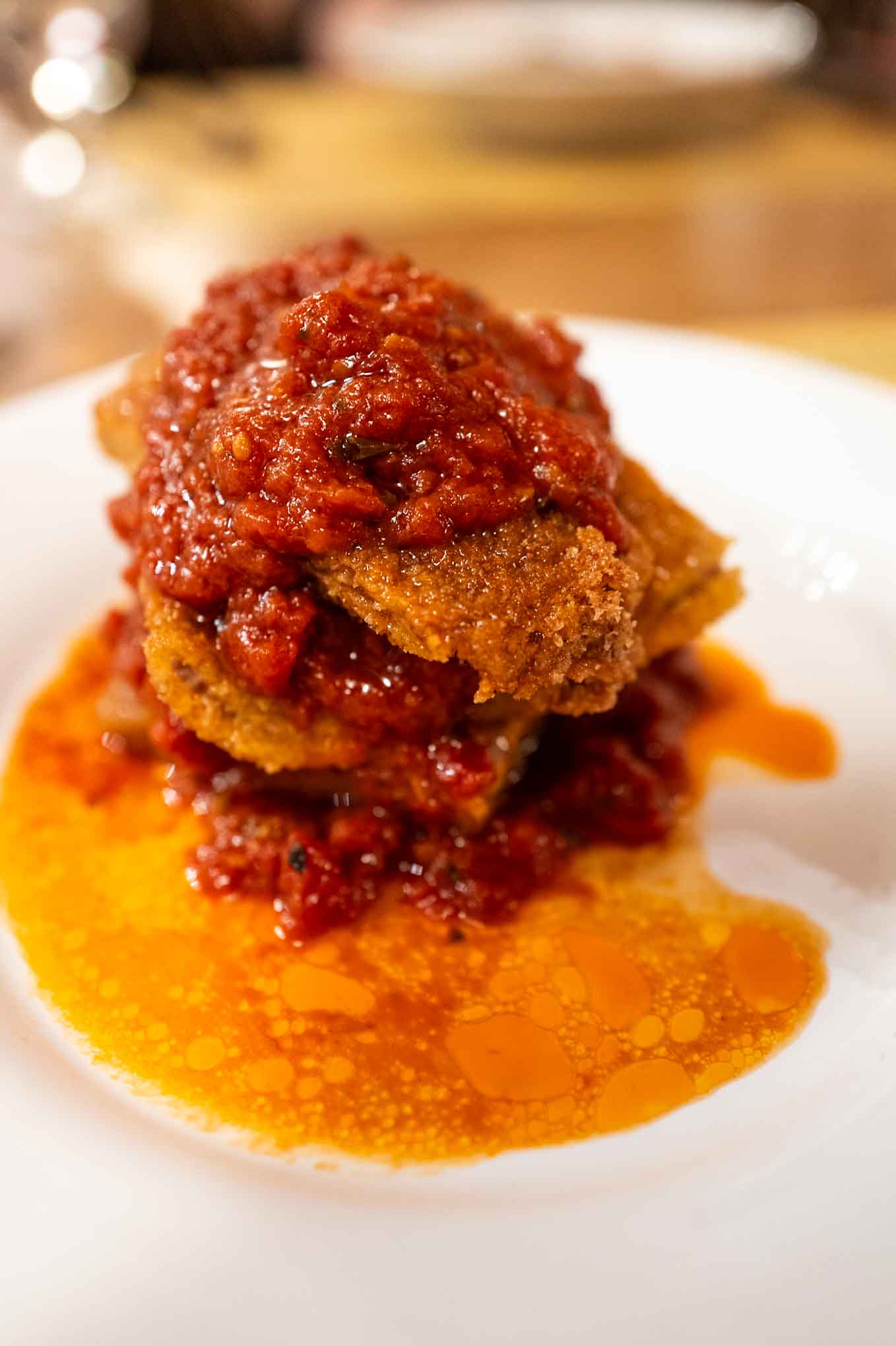
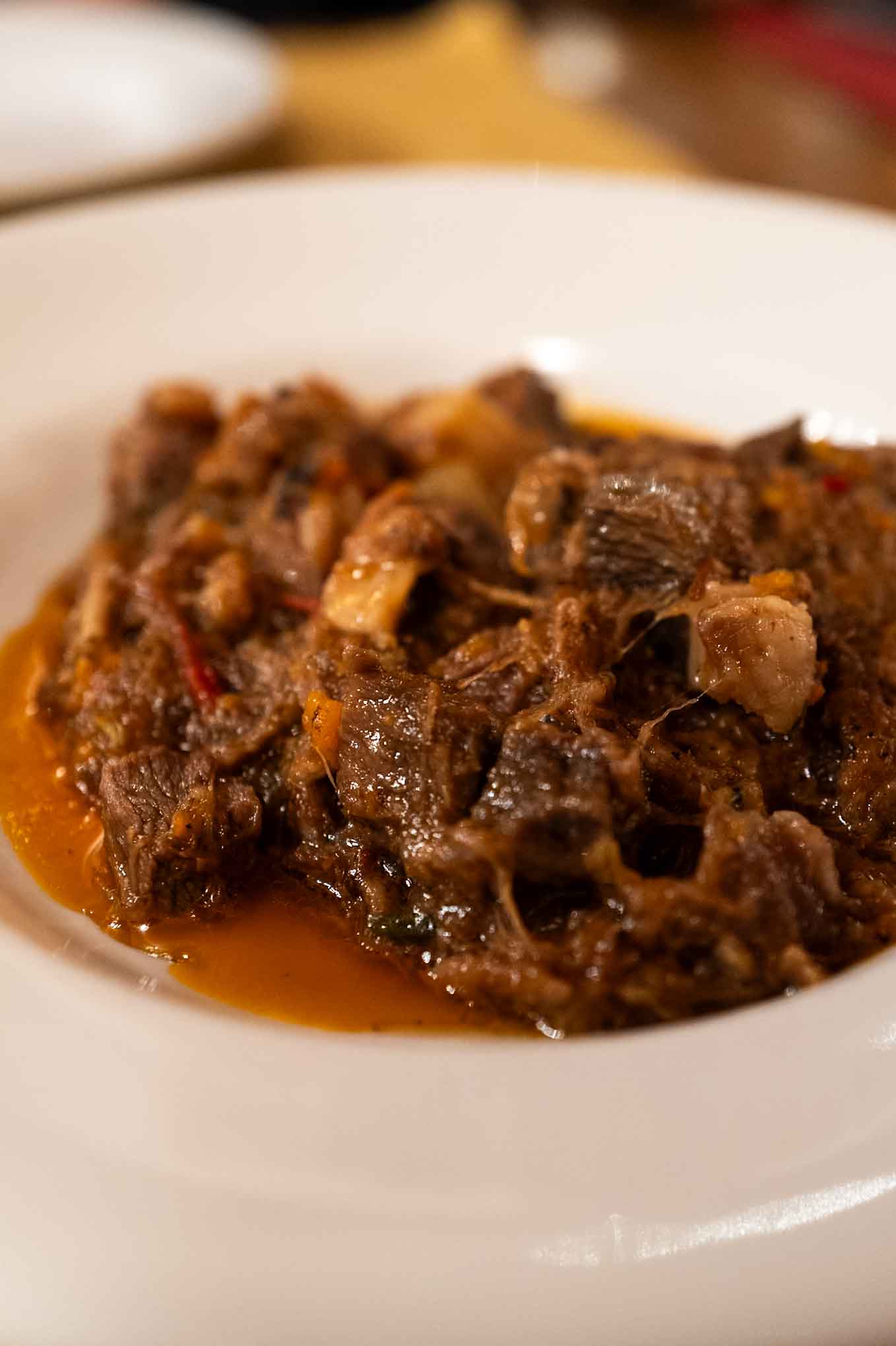

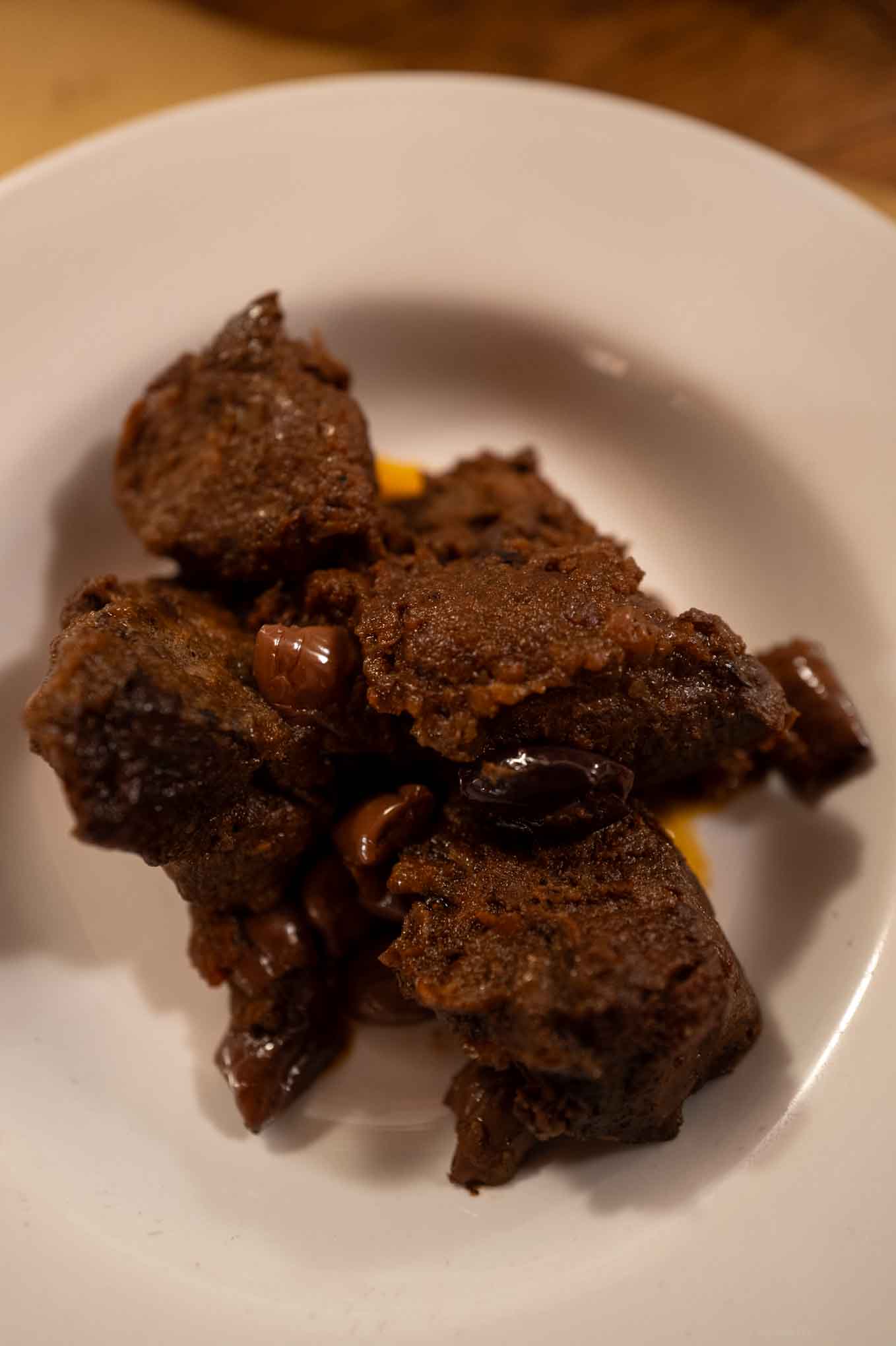
Because we stayed two nights, we were able to try almost everything. The first night started with ribollita, then pumpkin flan with pecorino, followed by oxtail croquettes that arrived hot and crisp. Pici with ragù tasted like it had been simmering all day. Fried veal chops (an ode to Fabio Picchi) came with a spicy Livornese tomato sauce and a bowl of fries. Peposo, the black pepper–heavy beef stew from Impruneta, finished the meal. We drank Francesco’s Boh wine and walked back across the grass already planning the next evening.
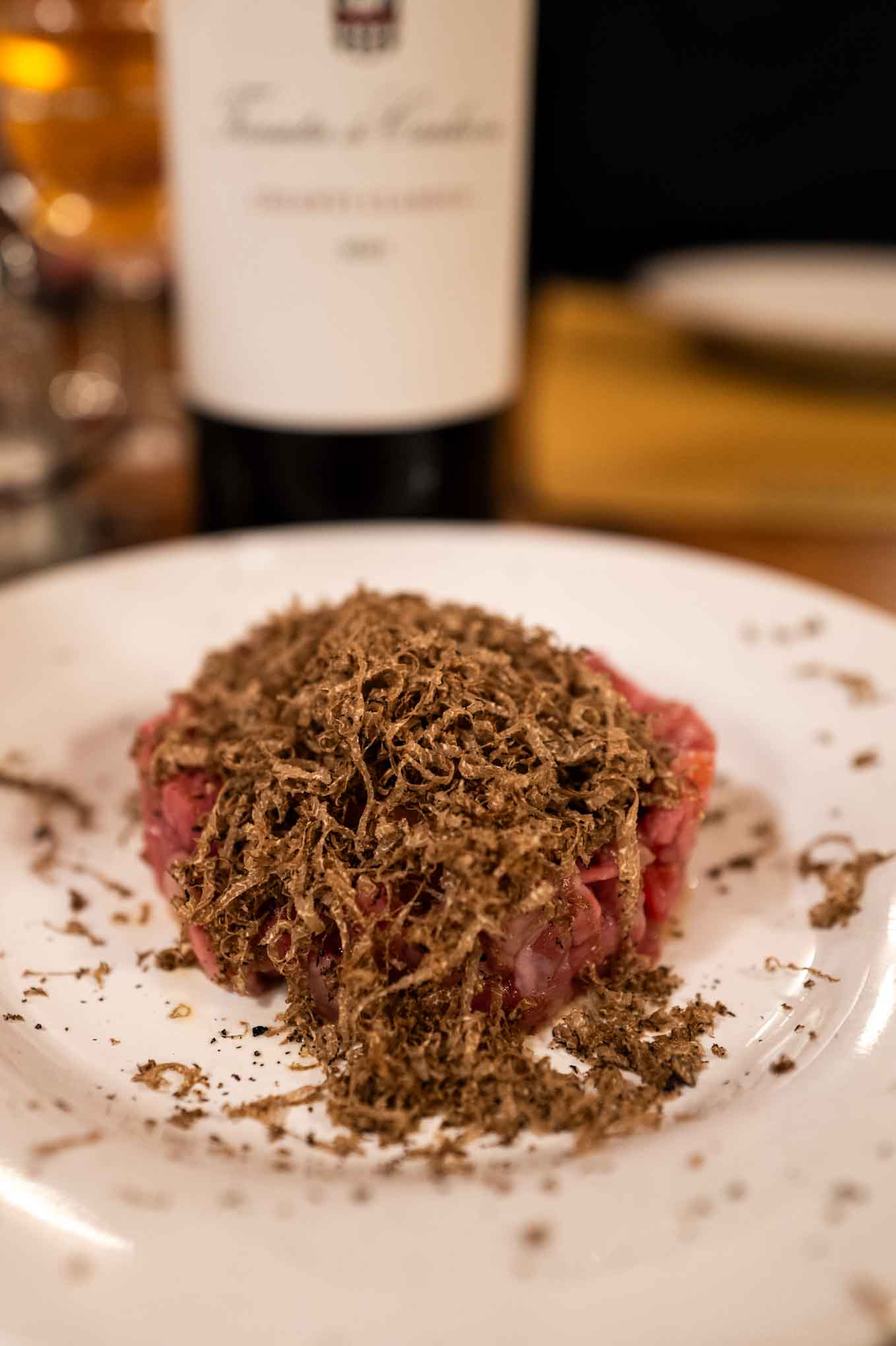
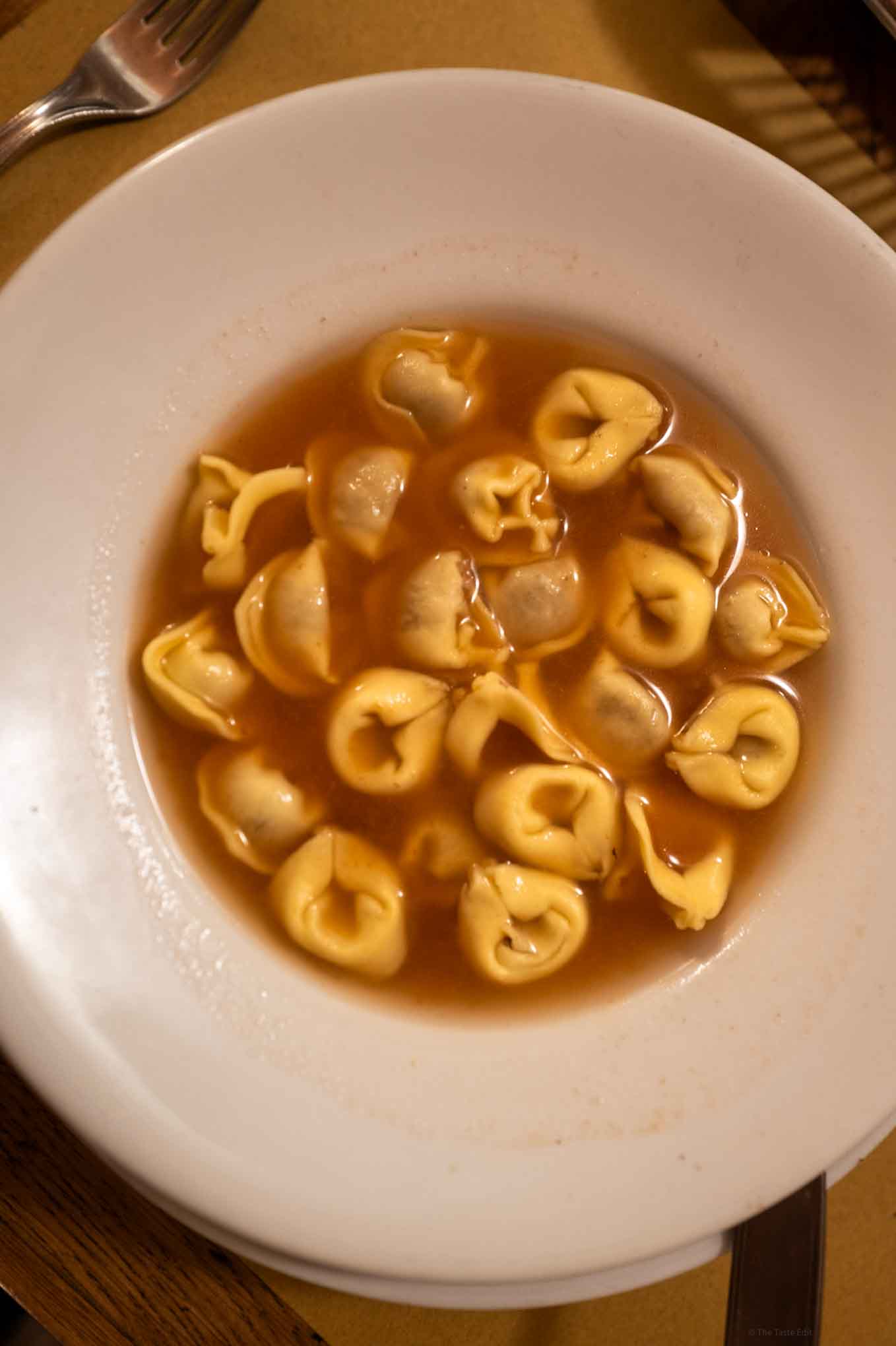
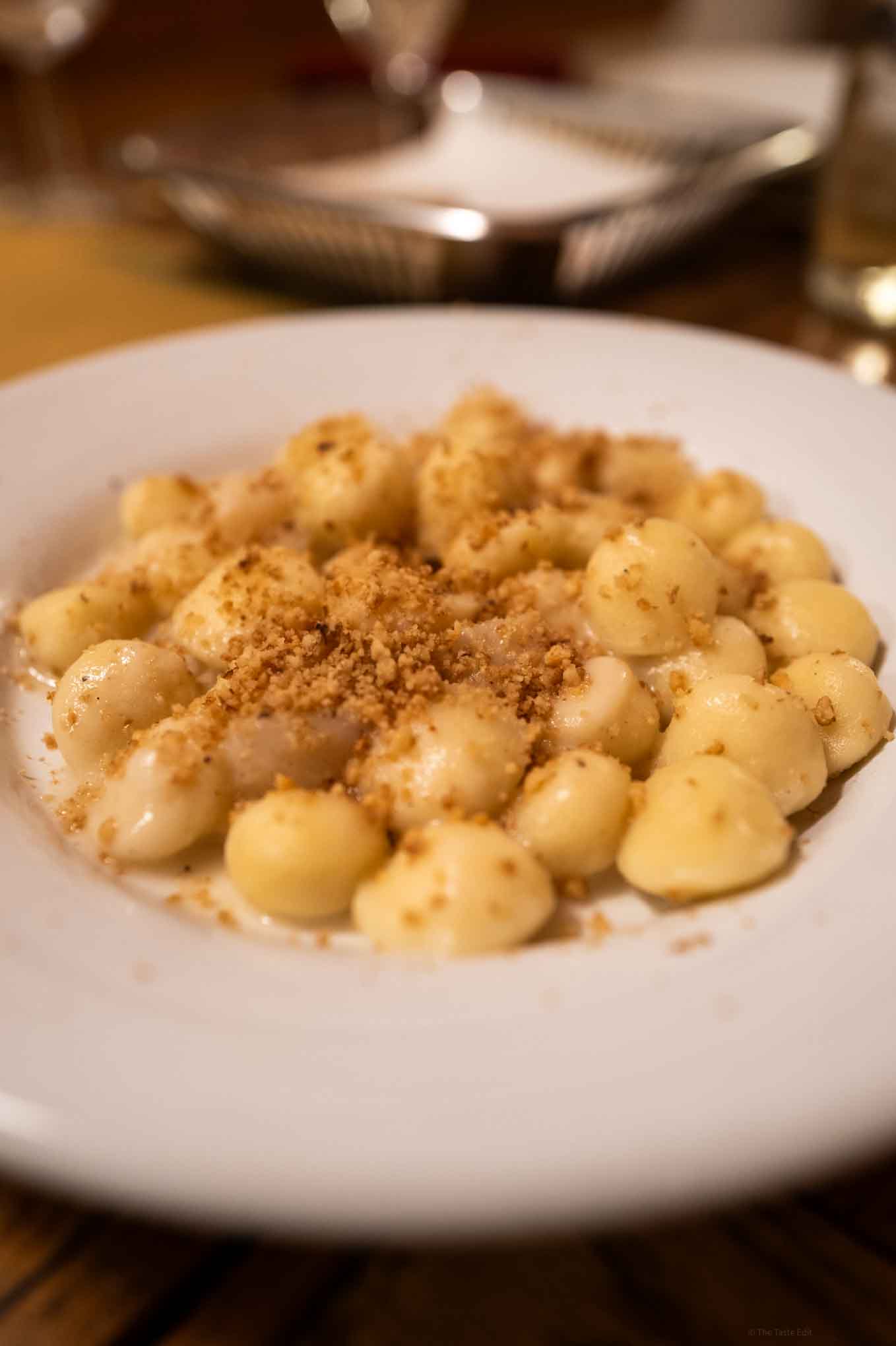
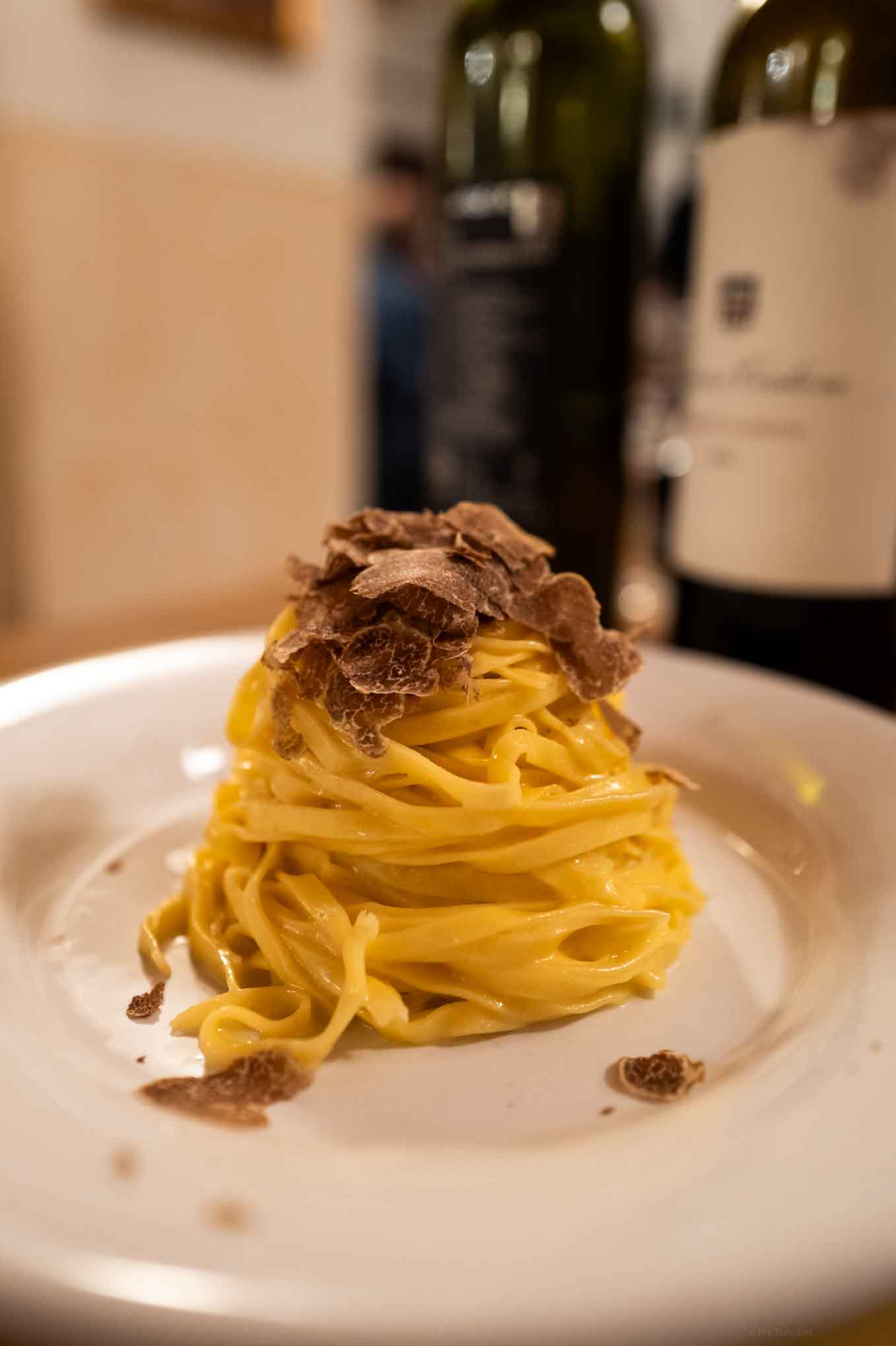
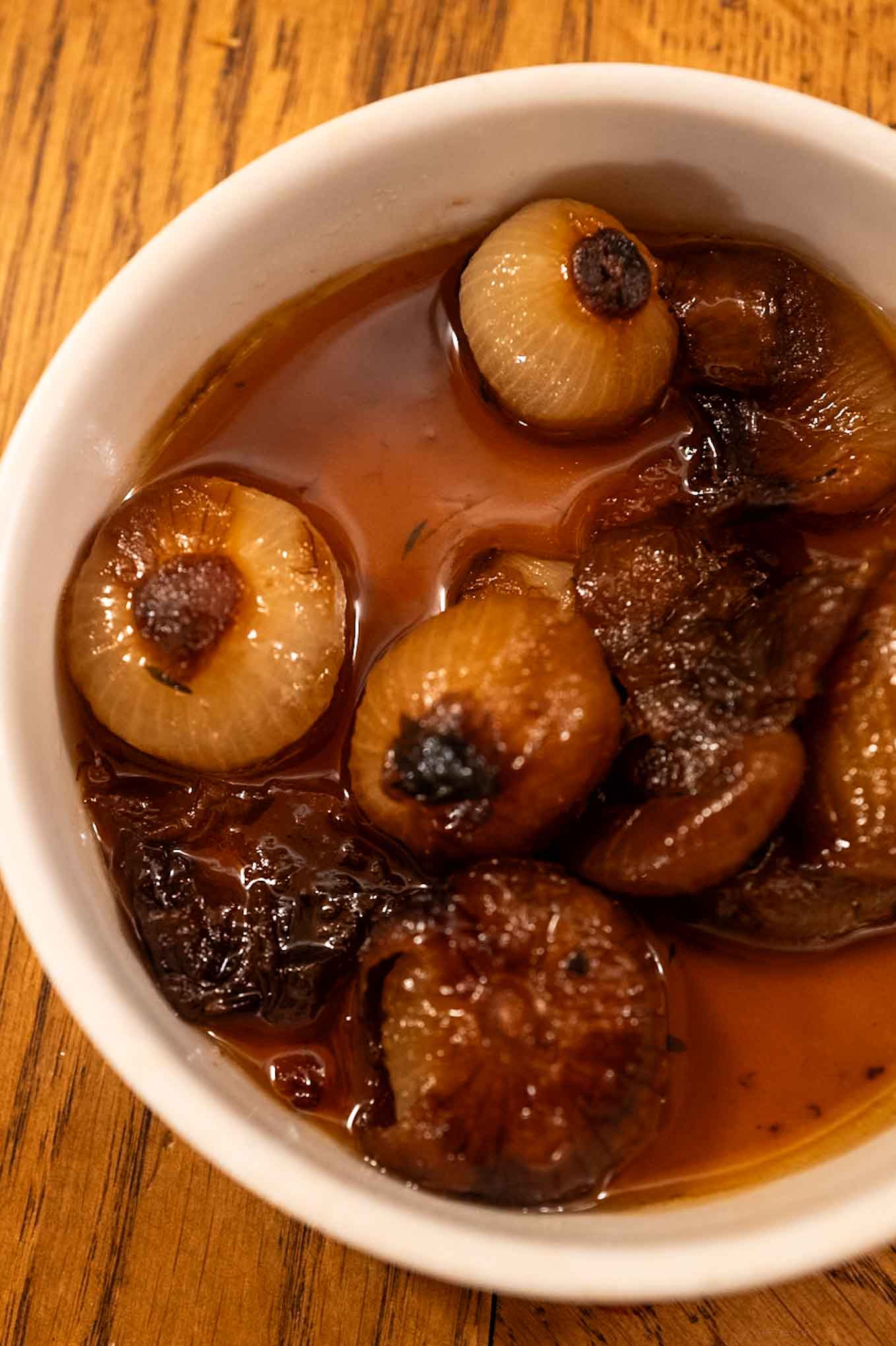
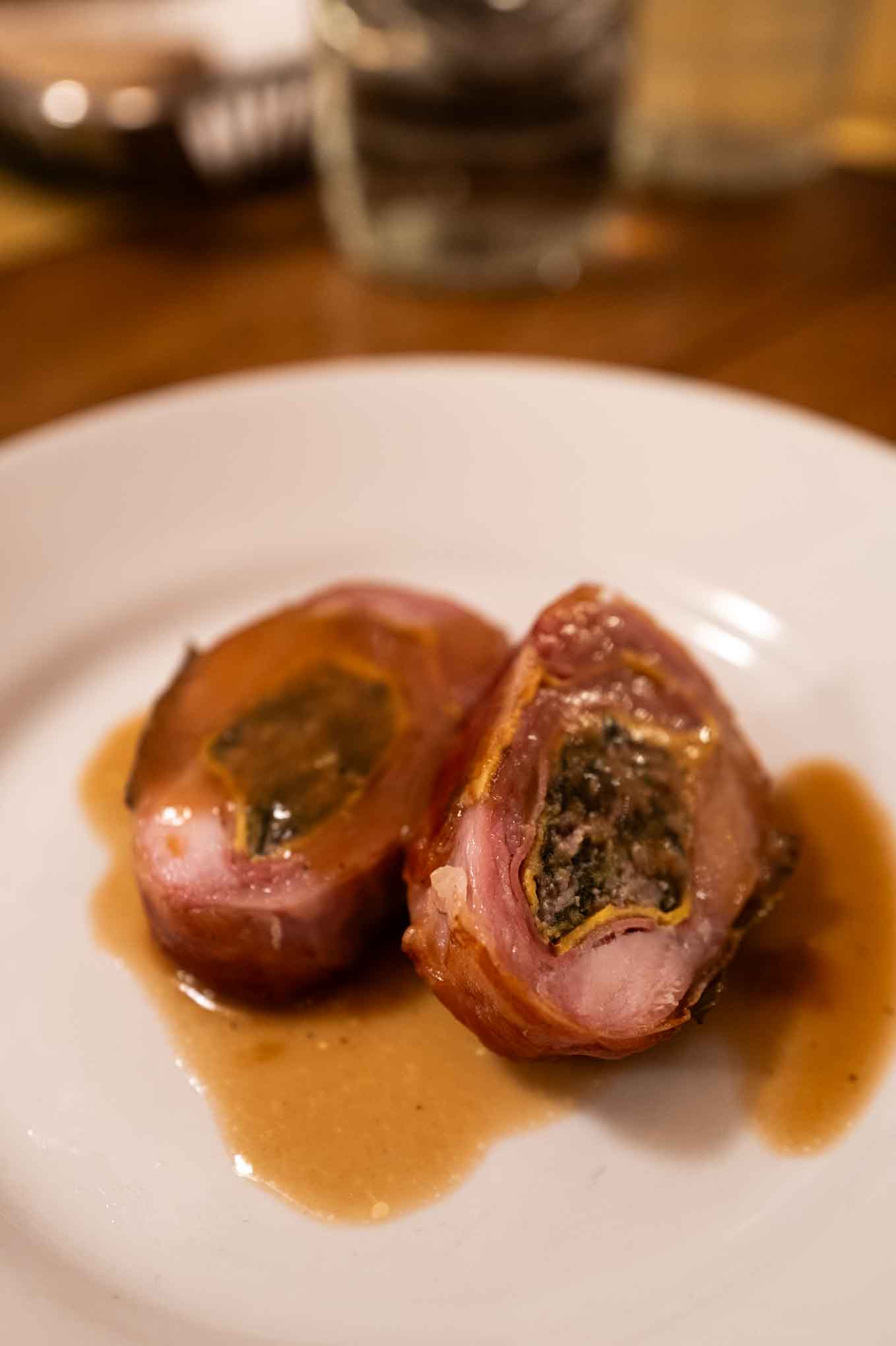
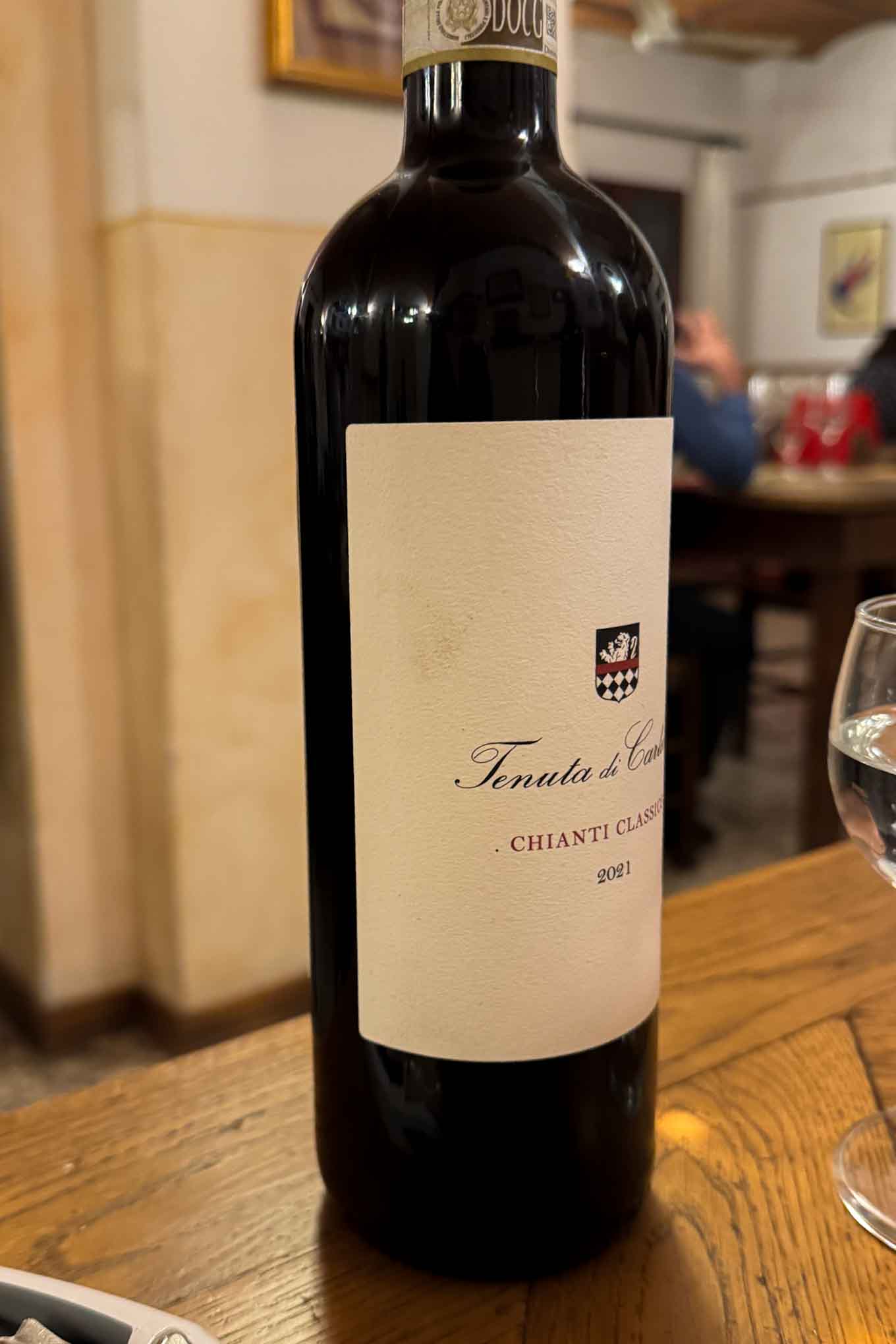
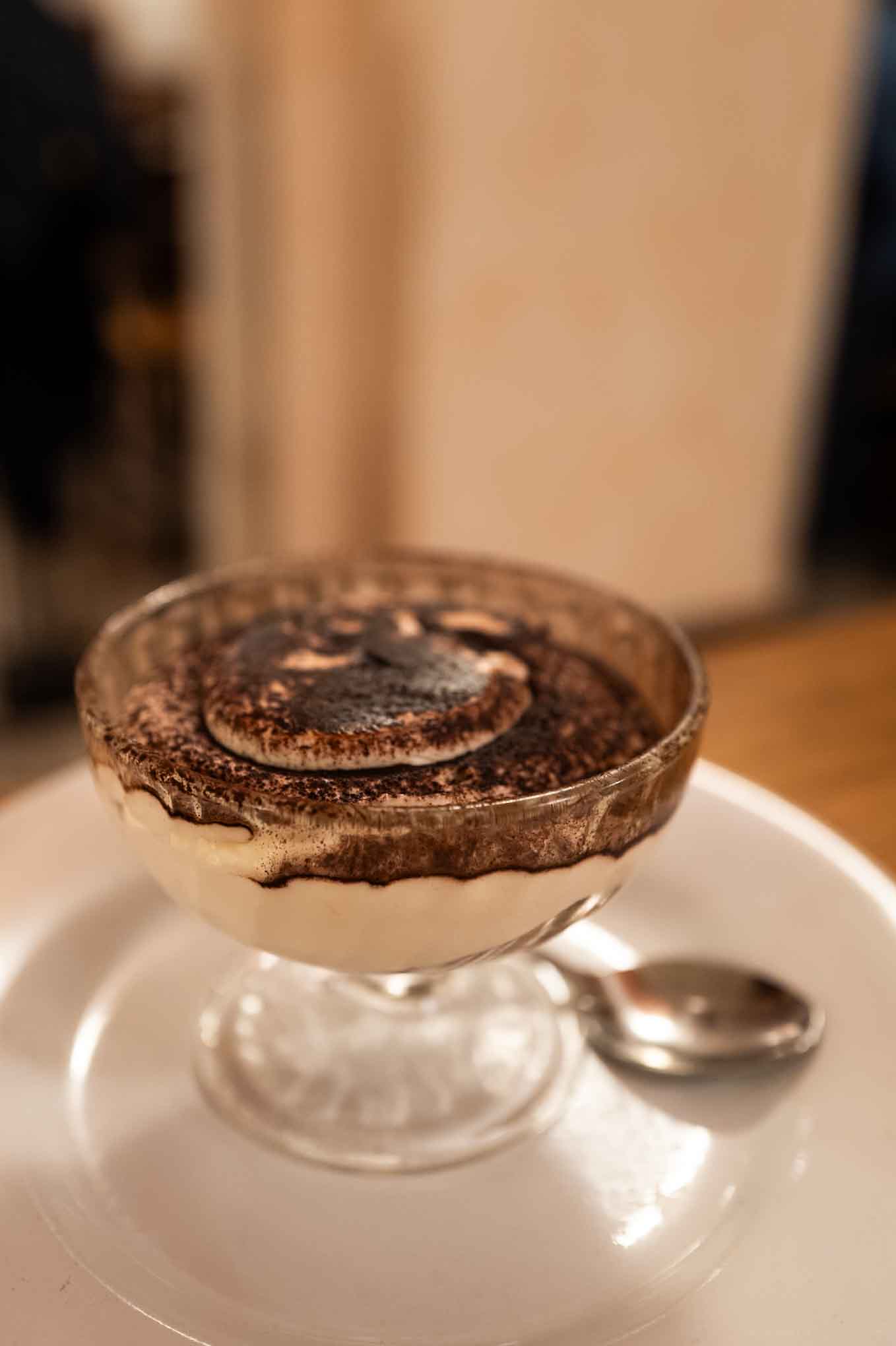
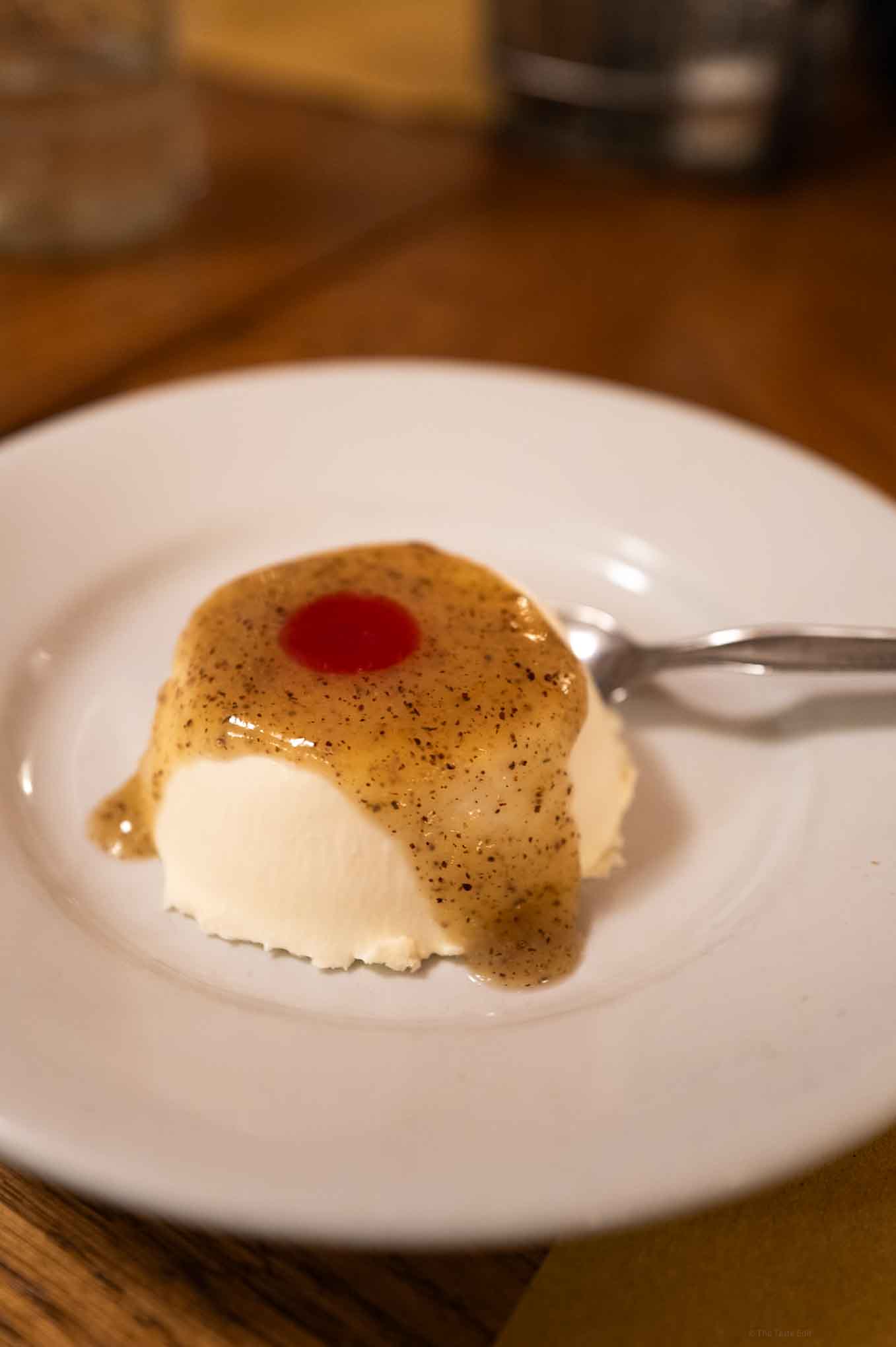
The second night we did not hold back. We ordered the pumpkin flan again, then chopped beef topped with an egg and Scorzone black truffle. Tagliolini arrived buried under San Miniato white truffle. We added gnocchi with gorgonzola, pear, and walnuts and tortellini in brodo. There was slow-cooked wild boar and mountain rabbit stuffed with a thin omelet and mortadella. We opened a bottle of Selvadolce from Liguria, then a Chianti from Tenuta di Carleone on Francesco’s recommendation. Panna cotta and tiramisu followed. The only thing we missed was the famous boiled hen. We will return for that alone.
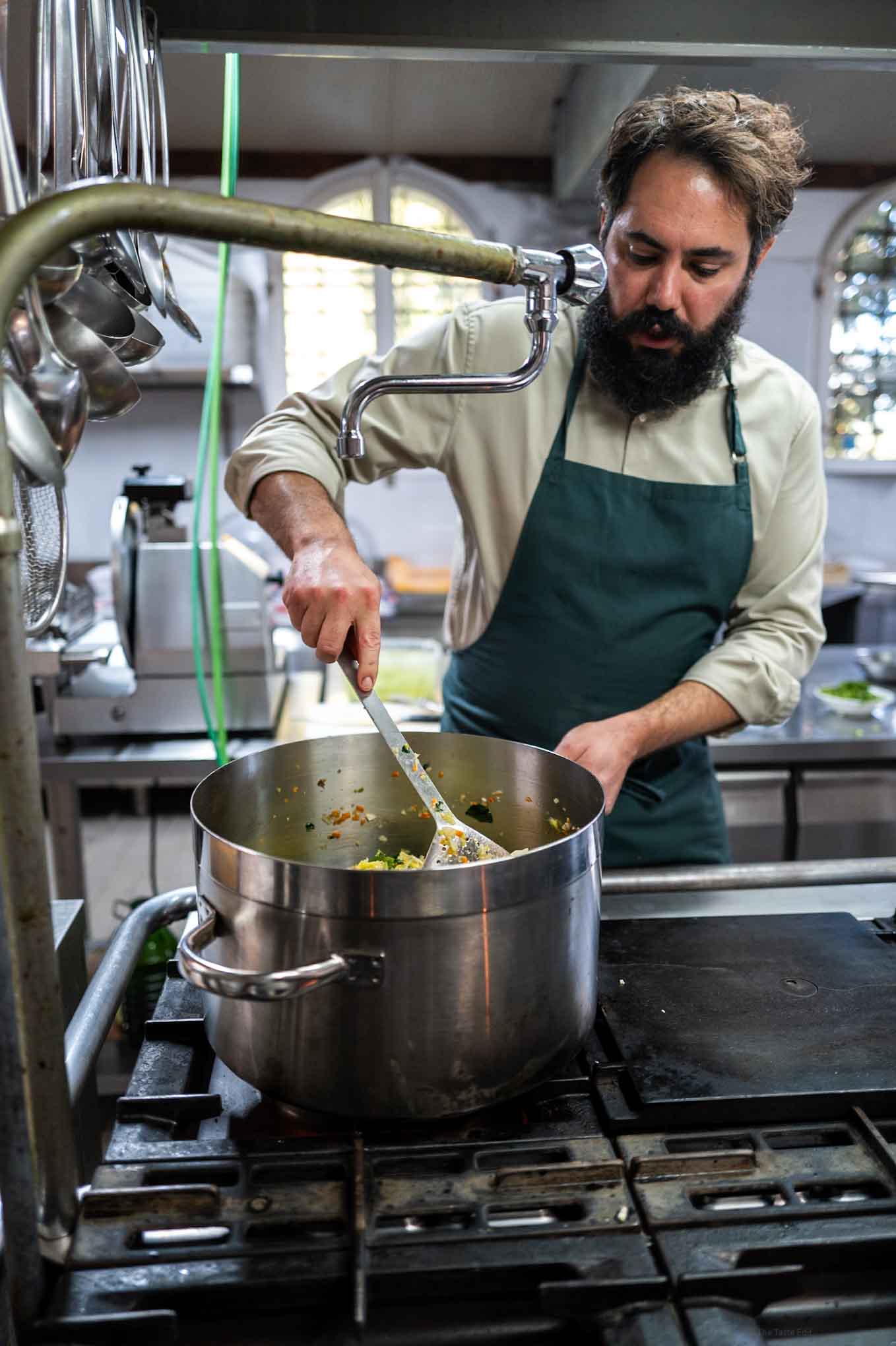
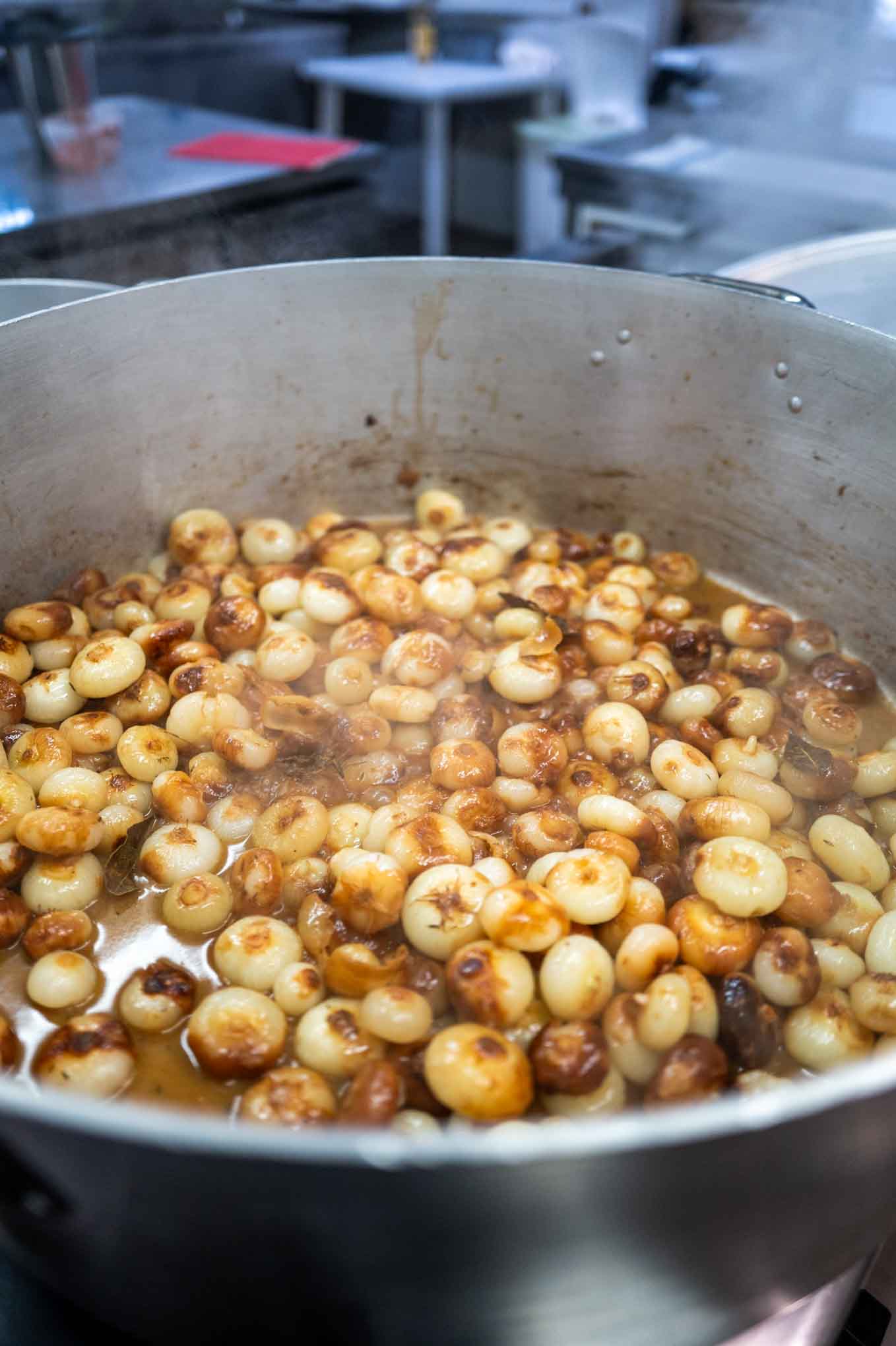
One morning Francesco invited us into the kitchen to show us how ribollita is actually made. Thick, dark, and built from bread, cabbage, and kale. He explained that he is shifting Collebrunacchi to a fully seasonal menu, which means ribollita only appears when it should, from autumn through early spring. It tasted like winter. That is the point.
The wine list is one of the quiet strengths of Collebrunacchi. It runs deep in Italian natural and low-intervention producers, chosen because they are good, not because they are fashionable. Francesco and Pauline also make their own wine under the Boh label, and it fits seamlessly on the table.
The best way to experience Collebrunacchi is to stay for two nights. Have lunch out, then come back for dinner. The town of San Miniato is just up the road, with its truffles, butcher shops, and Enoteca Marilu run by Marco Lami and Emiko Davies. Florence and the Tuscan coast are both easy drives if you want to add more to your trip.
Some restaurants impress you. Collebrunacchi makes you feel fed in every sense of the word. That is why it stays with you long after you leave.
Note: Collebrunacchi provided support for the reporting of this story.